info@digitalmintra.com
 +91-8949-080200




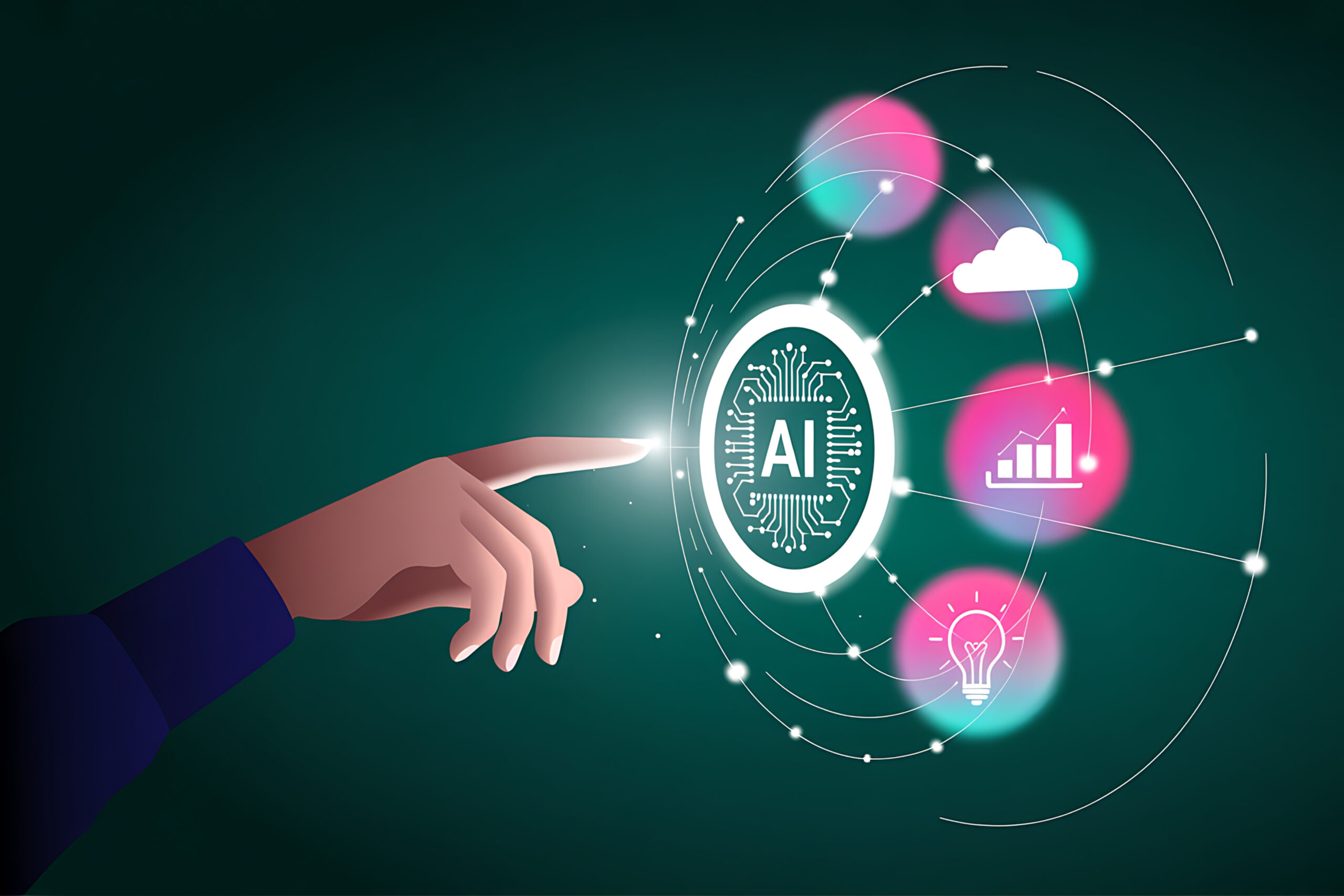
Performance marketing in 2026 is no longer just about campaigns, clicks, and conversions—it’s about intelligence, automation, and predictive growth. Artificial Intelligence (AI) has moved from being a supporting tool to becoming the backbone of high-performing marketing strategies. Brands that embrace AI-driven performance marketing are seeing smarter targeting, better ROI, and scalable growth like never before.
Let’s explore how AI is reshaping performance marketing in 2026.
1. Predictive Targeting & Smarter Audience Segmentation
AI now analyzes massive datasets in real-time—user behavior, browsing patterns, purchase history, and engagement signals—to predict who is most likely to convert.
Instead of targeting broad audiences, AI builds micro-segments and lookalike models with extreme accuracy. This means:
- Lower acquisition costs
- Higher conversion rates
- Reduced ad waste
- Better lifetime value (LTV) targeting
Performance marketing is no longer reactive—it’s predictive.
2. AI-Powered Campaign Automation
Manual campaign management is becoming obsolete. Platforms like Google Ads and Meta Ads in 2026 rely heavily on AI-driven automation:
- Smart bidding strategies
- Budget auto-allocation
- Real-time bid adjustments
- Dynamic creative testing
AI continuously optimizes campaigns 24/7, adjusting based on performance signals, seasonality, and competitor activity—something no human team can do at scale.
3. Hyper-Personalized Ad Creatives
AI-generated content and creative testing have transformed ad production. Tools now:
- Generate multiple ad copies instantly
- Create dynamic images and videos
- Personalize creatives based on user intent
- Adapt messaging to location, device, and behavior
Instead of running 2–3 ad variations, brands now test hundreds automatically. AI identifies winning combinations faster and scales them in real-time.
4. Advanced Attribution & Data Modeling
With privacy regulations and cookie restrictions evolving, AI-powered attribution models are solving measurement challenges.
In 2026, AI helps marketers:
- Understand multi-touch attribution
- Track cross-device journeys
- Fill data gaps with predictive modeling
- Forecast revenue and campaign ROI
This ensures more accurate decision-making and better budget allocation across channels.
5. Real-Time Performance Insights
AI dashboards now provide live insights instead of delayed reports. Performance marketers can see:
- Conversion probability scores
- Drop-off behavior predictions
- Funnel leakage alerts
- Automated growth suggestions
This allows faster strategy shifts and smarter scaling decisions.
6. Chatbots & Conversational Conversions
AI-driven chatbots and conversational AI are improving conversion rates by:
- Answering customer queries instantly
- Qualifying leads automatically
- Booking appointments
- Providing personalized product recommendations
Performance marketing now extends beyond ads—it includes AI-powered engagement and retention.
7. Predictive Budget & Revenue Forecasting
AI models now predict:
- Future conversion trends
- Seasonal demand spikes
- Customer lifetime value
- Ideal budget scaling thresholds
Marketers can plan campaigns with data-backed confidence instead of assumptions.
8. AI + Human Strategy = Winning Formula
While AI handles automation, data processing, and optimization, human experts still lead strategy, branding, positioning, and creative storytelling.
The real transformation in 2026 is not AI replacing marketers—but AI empowering smarter performance marketing teams.
The Future of Performance Marketing
In 2026, performance marketing is:
✔ Data-first
✔ Automation-driven
✔ Hyper-personalized
✔ Predictive
✔ ROI-focused
Brands that integrate AI into their marketing ecosystem are outperforming competitors by reducing costs, improving conversions, and scaling faster.
AI is no longer optional—it’s the growth engine of modern performance marketing.